Year 1 maths worksheets PDF provide accessible, engaging practice for young learners. They combine clear visuals with simple tasks, enabling children to build confidence in numbers, patterns, and basic operations. Parents and teachers can use them to reinforce classroom lessons at home. Enjoy learning! Fun!!
Importance of Year 1 Maths Worksheets
This worksheet helps build confidence and understanding. This worksheet helps build confidence and understanding. This worksheet helps build confidence and understanding. This worksheet helps build confidence and understanding. This worksheet helps build confidence and understanding. This worksheet helps build confidence and understanding. This worksheet helps build confidence and understanding. This worksheet helps build confidence and understanding. This worksheet helps build confidence and understanding. This worksheet helps build confidence and understanding. This worksheet helps build confidence and understanding. This worksheet helps build confidence and understanding. This worksheet helps build confidence and understanding. This worksheet helps build confidence and understanding. This worksheet helps build confidence and understanding. This worksheet helps build confidence and understanding. This worksheet helps build confidence and understanding. This worksheet helps build confidence and understanding. This worksheet helps build confidence and understanding. This worksheet helps build confidence and understanding. This worksheet helps build confidence and understanding. This worksheet helps build confidence and understanding. This worksheet helps build confidence and understanding. This worksheet helps build confidence and understanding. This worksheet helps build confidence and understanding. These worksheets provide practice, fostering confidence, accuracy, and curiosity early and.
How PDFs Facilitate Learning
PDF worksheets enable children to practice math skills. PDF worksheets enable children to practice math skills. PDF worksheets enable children to practice math skills. PDF worksheets enable children to practice math skills. PDF worksheets enable children to practice math skills. PDF worksheets enable children to practice math skills. PDF worksheets enable children to practice math skills. PDF worksheets enable children to practice math skills. PDF worksheets enable children to practice math skills. PDF worksheets enable children to practice math skills. PDF worksheets enable children to practice math skills. PDF worksheets enable children to practice math skills. PDF worksheets enable children to practice math skills. PDF worksheets enable children to practice math skills. PDF worksheets enable children to practice math skills. PDF worksheets enable children to practice math skills. PDF worksheets enable children to practice math skills. PDF worksheets enable children to practice math skills. PDF worksheets enable children to practice math skills. PDF worksheets enable children to practice math skills. PDF worksheets enable children to practice math skills. PDF worksheets enable children to practice math skills. PDF worksheets enable children to practice math skills. PDF worksheets enable children to practice math skills. PDF worksheets enable children to practice math skills. PDF worksheets enable children to practice math skills. PDF worksheets enable children to practice math skills. PDF worksheets enable children to practice math skills. It supports independent learning.!!

Key Topics Covered in Year 1 Maths
Year 1 maths PDFs cover essential topics: counting, recognising numbers, simple addition and subtraction, shapes, spatial ideas, and early time and money concepts. They give clear examples, visual aids, and practice tasks that build confidence and foundational skills. They support skill growth. daily. kids.
Numbers and Counting
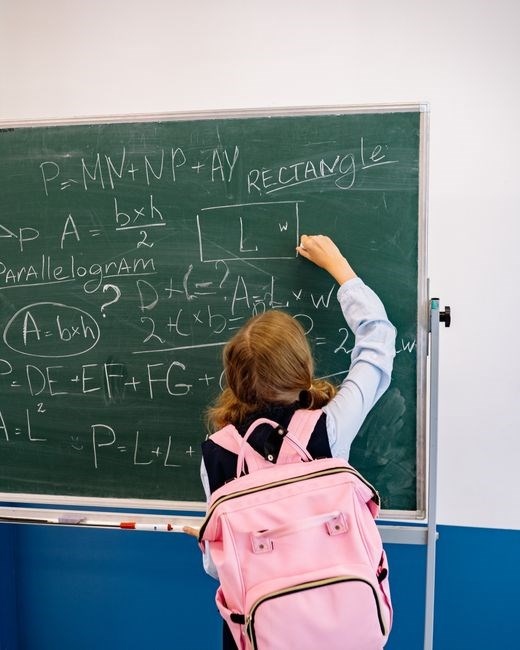
Year 1 maths PDFs focus on foundational number sense, encouraging children to recognise, write, and manipulate numbers from 0 to 20 and beyond. Worksheets feature colourful number lines, matching games, and simple counting activities that reinforce the idea of one‑to‑one correspondence. By repeatedly tracing and writing digits, pupils build muscle memory and confidence. Interactive elements such as drag‑and‑drop or fill‑in‑the‑blank sections help learners visualise the order of numbers and understand place value in a playful way. Counting challenges, like “count the apples” or “how many steps to the door?” integrate real‑world contexts, making abstract concepts tangible. The PDFs also introduce basic counting principles such as skip counting by twos, fives, and tens, which lay the groundwork for later arithmetic. Teachers can use the printable versions for guided practice, while the interactive PDFs allow children to receive instant feedback, encouraging self‑assessment and independent learning. Parents can supplement classroom lessons with these resources, ensuring consistent reinforcement at home. The variety of activities—from simple “count and circle” tasks to more complex “count and write” exercises—caters to diverse learning styles, helping every child progress at their own pace. Consistent exposure to counting drills strengthens number fluency, a key predictor of future maths success. By embedding counting into everyday routines, children develop a natural affinity for numbers, setting a solid foundation for all subsequent topics in the curriculum. Practice daily, and watch confidence soar.!!!
Basic Addition and Subtraction
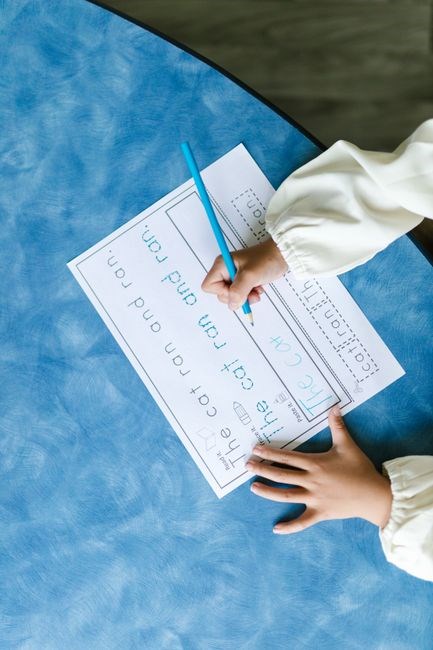
Year 1 maths PDFs introduce simple addition and subtraction, using familiar objects and pictures to illustrate the idea that numbers can be combined or taken away. Worksheets often present problems like “3 + 2 = ?” or “5 – 1 = ?”, encouraging children to think about the relationship between the numbers. Visual aids such as dots, blocks, or fruit icons help learners see the quantity change, making the abstract operation concrete; Interactive PDFs allow pupils to drag numbers into place or click on the correct answer, giving instant feedback that reinforces learning. Printable versions can be used for hands‑on practice, where students write the answer and then cross‑check with a key. Teachers can vary the difficulty by adding larger numbers, using regrouping hints, or incorporating word problems that involve everyday situations, such as sharing snacks or counting toys. Repetition is key; repeated exposure to addition and subtraction builds fluency and confidence. Parents can support at home by turning routine moments into quick math games, like counting steps or comparing quantities. Consistent practice with these worksheets helps students internalise the basic operations, laying a strong foundation for more complex maths concepts later in the year. Keep the activities engaging, colourful, and age‑appropriate, and celebrate small victories to maintain motivation. 2026-08-07 Happy!!
Shapes and Spatial Awareness
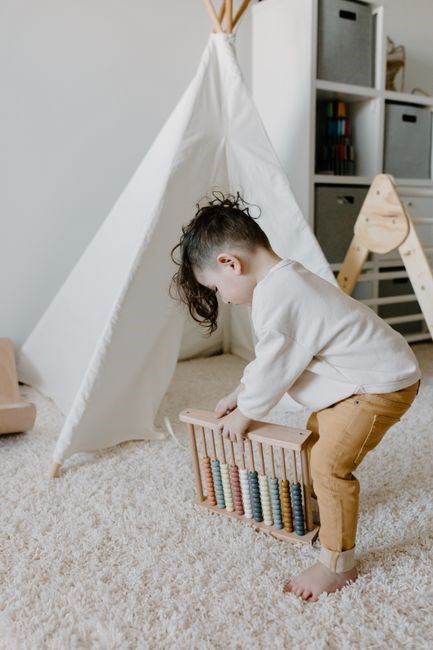
Year 1 maths PDFs focus on shapes and spatial awareness, a cornerstone of early numeracy. Children learn to identify circles, squares, triangles, rectangles, pentagons, hexagons, stars, and other familiar forms. Worksheets feature bright, child‑friendly graphics that label each shape, helping pupils remember names and distinguishing features such as sides, corners, and symmetry. Tasks often ask kids to colour a shape, match a picture to its name, or arrange objects to create a larger figure. Interactive PDFs let students drag shapes into place, rotate them to explore symmetry, or stack them to build simple 3‑D models, reinforcing the idea that shapes can be combined or transformed. Printable versions provide cut‑out shapes for hands‑on play, encouraging children to build towers, create patterns, or design a simple floor plan. Teachers can incorporate real‑world examples, such as arranging blocks to build a house or using a clock face to identify the hour hand. Repetition and variation keep interest high: start with single shapes, then move to compound shapes, and finally to identifying properties such as sides, corners, and angles. Parents can extend learning by drawing shapes at home or using everyday items to illustrate geometry. Consistent practice with these worksheets supports early spatial reasoning, a skill that underpins later success in maths, science, and technology. Celebrate progress with stickers or praise to keep motivation strong. 2026-08-07 Happy!! These worksheets help children develop fine motor skills as they trace shapes and write numbers, making learning multi‑sensory experience that keeps them engaged!!
Time and Money Basics
Year 1 maths PDFs introduce the fundamentals of time and money, using clear, child‑friendly visuals and simple language. Worksheets present a clock face with movable hands, encouraging pupils to read hours and half‑hours. Activities ask students to match pictures of breakfast, lunch, and dinner to appropriate times, reinforcing the concept of a daily routine. For money, printable sheets show common coins—pennies, nickels, dimes, quarters—and simple transactions such as buying a snack for 50 p. Interactive PDFs let children drag coins into a virtual purse, calculate totals, and determine change, building early arithmetic skills. Parents can use real coins to practise counting and making simple purchases at home, while teachers can integrate worksheets into a “shopping” lesson where children “buy” items using play money. The combination of time and money tasks helps develop sequencing, comparison, and basic addition, all crucial for later numeracy. Consistent practice with these PDFs supports confidence, encourages independent problem‑solving, and makes learning tangible. Celebrate each milestone with stickers or a progress chart, keeping motivation high. 2026-08-07 Happy!!
Teachers can adapt these worksheets to fit individual learning styles, using colour coding, stickers, or digital timers to keep pupils engaged. By reviewing completed sheets, they can identify misconceptions and tailor follow‑up tasks, ensuring each child progresses toward year‑two readiness.
Students! can also design simple worksheets, boosting creativity while reviewing key ideas.!!
Types of Worksheets Available

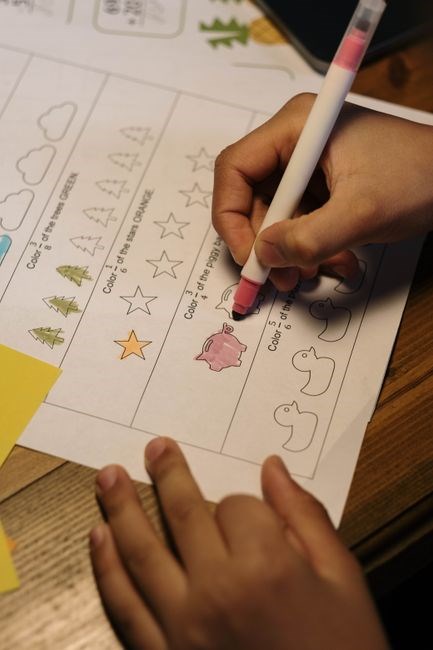
Year 1 maths PDFs come in three main styles: printable, interactive, and hybrid. Printable sheets are simple, paper‑ready, and great for quiet practice. Interactive PDFs let kids drag numbers, solve puzzles, and receive instant feedback. Hybrid sets blend both, offering flexibility for home or classroom use.

Printable PDFs
Printable year‑one maths PDFs are designed for quick. They feature large bold numerals and clear step‑by‑step instructions that guide children through counting, addition, and shape recognition. Each sheet is formatted to fit a standard A4 page, ensuring teachers and parents can print a set of exercises in minutes and distribute them to students for home practice or in‑class activities.
These documents include a mix of fill‑in‑blank tables, matching exercises, and short answer questions that reinforce key concepts. The layout is clear, with ample white space to reduce visual overload and help young learners focus on the task at hand. Illustrations and icons accompany each problem, providing visual cues that support memory retention and make the learning experience enjoyable.
Because printable PDFs are static, they can be reused across lessons, allowing educators to track progress. By printing a new set each week, teachers can introduce more challenging problems, ensuring the material stays engaging. Parents can also use these sheets to review homework, discuss strategies, and celebrate victories, fostering a supportive learning environment at home.
Teachers can also print themed sets—animals, vehicles—to keep lessons!?. Parents may combine worksheets with tasks, like counting coins during shopping or measuring ingredients while cooking, turning moments into math practice. Consistency and variety make learning memorable. !
Interactive PDFs
Interactive year‑one maths PDFs bring dynamic learning to the screen. They feature clickable boxes, drag‑and‑drop activities, and instant feedback that keeps children engaged. When a child selects the correct answer, a cheerful sound or animation confirms success through positive reinforcement. The interactive format allows teachers to embed short quizzes that automatically grade responses, saving time on manual marking.
These PDFs are built with accessible design in mind. Large buttons and clear instructions ensure that even young learners can navigate independently. Visual cues, such as colour‑coded numbers and icons, help children connect concepts like counting, addition, and shapes. Because the content updates in real time, students can see how their choices affect outcomes, fostering a deeper understanding of cause and effect in mathematics.
Parents and educators can track progress by exporting performance data. The built‑in analytics show which questions were answered correctly or incorrectly, enabling targeted review. By integrating interactive PDFs into daily routines, children experience a blend of play and practice that supports skill development while maintaining motivation. The flexibility of digital tools means lessons can be adapted on the fly, ensuring each child receives personalized support. Students can also use the interactive PDFs to practice mental math, improving speed and accuracy while enjoying a game‑like experience that encourages repeated attempts and mastery of foundational concepts. :)!
Digital vs Physical Worksheets
Choosing between digital and physical year‑one maths worksheets involves weighing convenience, engagement, and learning outcomes. Digital PDFs offer instant access, interactive features, and automatic grading, making them ideal for home study remote learning. Physical worksheets provide tactile experience, helping kinesthetic learners grasp concepts through writing and drawing and parents can monitor progress through built‑in dashboards while physical worksheets allow for spontaneous creative drawing or group activities that reinforce teamwork and fun yes
Digital tools allow teachers to update content quickly, embed multimedia, and track progress with analytics. They can also adapt difficulty in real time, ensuring each child stays challenged yet supported. Physical worksheets, on the other hand, encourage focus by removing screen distractions fostering a calm, hands‑on environment.
Both formats complement each other. A blended approach—using digital PDFs for interactive practice and physical sheets for hands‑on activities—maximizes learning. Parents can rotate between formats to keep routines fresh while educators can assess which medium best supports individual student needs. Ultimately, the choice depends on resources learning style and the goal of reinforcing foundational math skills with consistent practice.
How to Use Year 1 Maths Worksheets Effectively
Set a consistent schedule, mix short sessions with breaks, and review answers together. Use the worksheets as a diagnostic tool: note errors, adjust difficulty, and celebrate progress. Encourage discussion of strategies, and let children explain their reasoning to deepen understanding Keep sessionsand fun dai.!
Creating a Structured Routine
Establishing a consistent routine for Year 1 maths worksheets PDF is essential for building confidence and ensuring steady progress. A 15‑minute window is often sufficient; it keeps the activity focused while preventing fatigue. During this period, present a single worksheet that aligns with the current lesson or skill set. Practice daily. OK!

After completing the worksheet, review the answers together. Discuss any mistakes, exploring the reasoning behind each step. This reflection helps solidify concepts and promotes critical thinking. Praise effort rather than just accuracy, reinforcing a growth mindset; If the worksheet proves too easy, introduce a slightly more challenging version. Keep up! Practice daily. Stay focused. Keep going! Yes
Consistency also involves regular assessment. Keep a simple log of completed worksheets, noting dates, topics, and any recurring errors. This record allows you to identify patterns and adjust the curriculum accordingly. Keep up! Now
Finally, make the routine enjoyable. Use colourful PDFs, incorporate stickers or small rewards, and occasionally let the child choose the next worksheet. By embedding these habits, you create a supportive learning environment that encourages persistence, curiosity, and a love for maths.
Remember, flexibility is key; if the child feels overwhelmed, pause and revisit earlier concepts. Celebrate milestones with a small ceremony, reinforcing the joy of learning and the satisfaction of mastering new skills and growth together.
Remember, consistency is key. Practice every day, celebrate victories today!!
Monitoring Progress and Adapting Difficulty
Tracking a child’s performance with Year 1 maths worksheets PDF requires a systematic approach. Start by assigning a unique identifier to each worksheet, then record the completion time and accuracy in a simple spreadsheet or paper log. This data becomes the foundation for adjusting difficulty.
When a student scores above 90 % on a worksheet, it signals readiness for a higher level. Introduce a new PDF that adds one more operation or a slightly larger number range. If accuracy falls below 70 %, revisit the concept with a more basic worksheet. The goal is to keep the challenge just beyond current mastery.
Use visual cues like color‑coded sheets: green for mastered, yellow for review, red for re‑practice. This quick reference helps both teacher and child see progress at a glance. Celebrate small wins to maintain motivation.
Digital PDFs often include built‑in tracking features like checkboxes or auto‑graded sections. Leverage these tools to streamline data collection, freeing more time for individualized instruction. Remember to keep the process transparent; involve the child in setting goals and reflecting on their own growth. This collaborative mindset fosters ownership and resilience. Use real‑life examples to deepen understanding.
Finally, maintain flexibility. A child’s learning curve may accelerate or plateau; adjust the pace accordingly. By continuously monitoring progress and adapting difficulty, you create a responsive learning environment that nurtures confidence and encourages lifelong curiosity in mathematics.