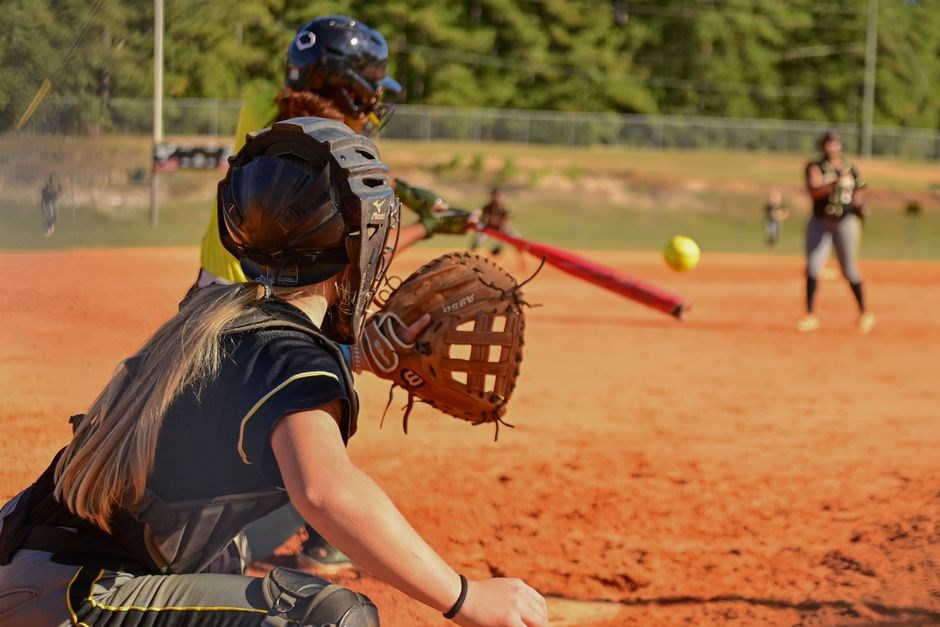
Fastpitch Softball Glove Size Guide
Fastpitch gloves range from 11.5 to 12.75 inches‚ measured from index tip to heel. Infielders often choose 11.5–12.0 for agility‚ while outfielders and pitchers prefer 12.25–12.75 for coverage. Fit is snug yet flexible‚ allowing quick hand movement and secure ball control. Ideal for ages 13+ and above
Infield Sizes
Infield softball gloves are designed for quick‚ precise ball handling. Typical sizes range from 11.5 to 12.0 inches‚ measured from the index tip to the heel. This compact pattern keeps the ball close‚ enabling faster glove‑to‑hand transitions during double plays and quick throws to first base. A 11.5‑inch glove suits younger or smaller hands‚ while a 12.0‑inch glove offers a slightly larger pocket for more coverage without sacrificing speed. The pattern is usually narrower and flatter than outfield models‚ reducing bulk and improving agility. A well‑fitted glove feels snug around the wrist and forearm yet allows fingers to flex freely. When trying on a glove‚ the thumb should rest comfortably on the thumb pocket without excessive pressure‚ and the ball should sit in the pocket with a slight “snap” when the hand is closed. Many manufacturers provide a “break‑in” period during which the leather softens and the pattern molds to the hand. Proper sizing also depends on the player’s position: shortstops and second basemen often prefer the tighter 11.5‑inch pattern for quick scoops‚ while first basemen may opt for a 12.0‑inch glove to accommodate larger balls and longer throws. The key is a glove that balances coverage‚ speed‚ and comfort‚ allowing the player to focus on fielding rather than adjusting the fit during a game.
For players moving from baseball‚ note that softball infield gloves have a larger pattern and longer fingers‚ which can change feel. Measure hand width at knuckles and compare to glove width; a difference of 0.5 inches or less is ideal. Leather gloves need a break‑in‚ while synthetic gloves offer instant flexibility but may wear faster. Testing in game‑like conditions ensures the glove stays snug during fast plays; Choosing the right size also considers age and hand growth‚ as a glove that is too tight can hinder development. Check fit before the season starts and adjust as needed.
Outfield Sizes
Outfield softball gloves are built for coverage and durability. Sizes range from 12.25 to 12.75 inches‚ measured from the tip of the index finger to the heel. The larger pattern gives a deeper pocket‚ allowing the ball to settle securely during high‑velocity throws and fly‑ball catches. A 12.25‑inch glove offers a balance between coverage and maneuverability for younger or smaller outfielders‚ while a 12.5‑inch or 12.75‑inch glove is preferred by seasoned players who need extra room for larger balls and longer throws to infielders. The finger length is longer than infield models‚ giving more leverage on throws. The glove’s back seam is often reinforced to withstand repeated impacts. When fitting‚ the glove should feel snug around the wrist but not restrictive; the thumb pocket should allow a slight flex without pinching. Players should test the glove by catching a ball in a simulated fielding scenario to ensure the ball stays in the pocket and the glove can be thrown quickly. Leather gloves require a break‑in period; synthetic options offer instant flexibility but may lose shape faster. Proper sizing also considers the hand width and age‚ as a glove that is too tight can impede finger movement and cause discomfort.
A thicker web and larger pattern help absorb high‑speed fly balls‚ while a pre‑conditioned leather break‑in strap reduces stiffness. Choose a glove that feels snug yet flexible‚ ensuring smooth release on long throws. This balance enhances fielding confidence.
Choosing the right glove also involves considering the material; premium leather offers durability and a natural feel‚ while synthetic blends provide lighter weight and quicker break‑in‚ making them ideal for players who prioritize speed over wear. And lightweight design for better control q release ev time n tdy.
Utility Sizes
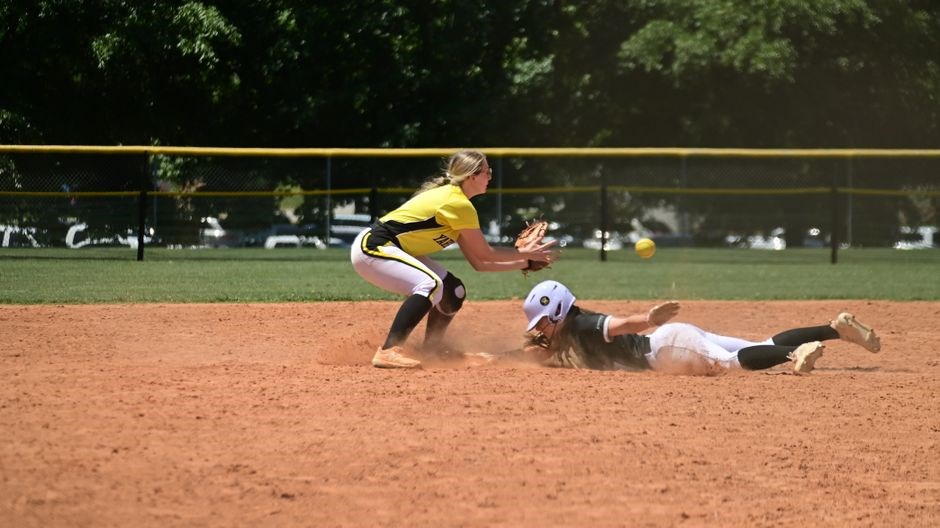
Utility gloves are designed to perform well in multiple positions‚ offering a versatile balance between infield agility and outfield coverage. Most manufacturers recommend a 12.25‑inch or 12.5‑inch pattern for players who want a single glove that can be used comfortably on the infield‚ in the outfield‚ or even as a pitcher’s glove. The slightly larger pattern compared to a dedicated infield glove provides a deeper pocket‚ which helps secure the ball during high‑velocity throws and fly‑ball catches. At the same time‚ the hand‑size and finger length remain compact enough to allow quick hand movement and a snug fit around the wrist. This makes the utility glove an excellent choice for younger players who may still be developing their hand strength or for teams that prefer to carry fewer gloves. When fitting a utility glove‚ the glove should feel snug but not restrictive; the thumb pocket should allow a slight flex without pinching‚ and the web should be flexible enough to accommodate both short and long throws. Leather models typically require a break‑in period‚ during which the glove will soften and conform to the player’s hand. Synthetic options‚ on the other hand‚ offer instant flexibility but may lose shape faster. The choice between leather and synthetic often comes down to personal preference and durability needs. In addition‚ many utility gloves feature reinforced seams and a thicker web to withstand repeated impacts from both infield and outfield play. Proper sizing account hand width and age; a glove that is too tight.
Slowpitch Softball Glove Size Guide
Slowpitch gloves run larger‚ from 12 to 15 inches‚ measured from index tip to heel. They are designed for softer‚ slower pitches‚ offering a deeper pocket for easier ball capture. Players often choose 13‑inch for infield‚ 14‑inch for outfield‚ and 15‑inch for pitchers. Ideal for players aged 10 and up. !!!!
Size Range Overview
The spectrum of softball glove sizes is intentionally broad to accommodate a diverse array of players‚ from youth athletes to seasoned professionals. In fastpitch disciplines‚ the standard measurement—taken from the tip of the index finger to the heel—typically spans 11.5 to 12.75 inches. This range reflects the need for a balance between a compact‚ responsive pocket for quick infield maneuvers and a more generous surface area for outfielders and pitchers who must secure larger‚ slower balls. Slowpitch gloves‚ conversely‚ are engineered for a gentler‚ slower ball trajectory and consequently extend from 12 to 15 inches. The increased length and depth of the pocket in slowpitch models enhance the likelihood of a clean catch while also providing a more forgiving fit for players who may not yet have fully developed hand strength or coordination; Across both categories‚ manufacturers often offer variations in material composition‚ such as full‑grain leather‚ synthetic blends‚ or hybrid constructions‚ each influencing the glove’s flexibility‚ durability‚ and weight. The choice of material can subtly shift the effective size; a thicker‚ more rigid leather may feel slightly larger than a supple synthetic counterpart of the same nominal measurement. Additionally‚ the presence of a “break‑in” period—where the glove is softened through use or conditioning—can alter the perceived fit‚ making a glove that initially feels snug become more accommodating over time. Players should therefore consider both the raw measurement and the expected break‑in curve when selecting a glove. Finally‚ it is worth noting that the industry’s sizing conventions do not always align perfectly with individual hand dimensions; A player with a larger hand may find a 12.5‑inch glove comfortable‚ while someone with a smaller hand might prefer a 11.5‑inch model‚ regardless of the position they play. Consequently‚ a comprehensive size range overview serves as a foundational reference point‚ but the ultimate decision should be guided by personal fit‚ playing style‚ and the specific demands of the game. This overview also shows how the same glove can serve multiple positions‚ but fit depends on hand size skill!?
Position Recommendations
Choosing the right glove size hinges on the player’s on‑field role. Infielders demand quick‚ precise transfers; a 11.5–12.0 inch fastpitch glove offers a snug pocket for rapid ball handling and minimal bulk. Shortstop and second‑base players often benefit from a 12.0‑inch model that balances coverage with agility. Outfielders‚ who must field high‑velocity throws‚ typically select 12.25–12.75 inches to maximize surface area and secure larger‚ slower balls. Pitchers require a glove that supports a firm grip and a deep pocket for varied pitches; 12.25–12.5 inches is common‚ though some prefer 12.75 for added comfort during long games. Utility players‚ who cover multiple positions‚ often opt for a 12.25 or 12.5 inch glove‚ as it provides versatility without compromising performance. When evaluating a glove‚ consider the hand’s natural shape‚ the player’s strength‚ and the specific demands of each position. A glove that feels slightly snug can improve control‚ but excessive tightness may hinder speed. Conversely‚ a glove that is too loose can lead to dropped balls. Always try on the glove in game‑like conditions‚ allowing for a break‑in period before finalizing the choice. Proper fit ensures confidence‚ reduces injury risk‚ and enhances overall performance on the diamond. Coaching staff often advise players to test multiple sizes during the off‑season‚ as hand size can change with growth or conditioning. Additionally‚ the glove’s material—full‑grain leather versus synthetic—affects flexibility; leather tends to be more durable but requires more conditioning‚ while synthetic offers lighter weight and quicker break‑in. Selecting the appropriate size and material combination ultimately aligns with the player’s skill level‚ playing style‚ and comfort preferences‚ ensuring that each catch is executed with confidence and precision.
Comfort Tips
Finding the right glove for comfort starts with a proper fit. Measure your hand from the tip of the index finger to the heel of the palm‚ then add 0.5–1 inch for a snug but not tight feel. Once you’ve chosen a size‚ break the glove in gradually: start with light drills‚ then progress to full‑speed plays. Conditioning leather with a small amount of glove oil or conditioner keeps the material supple and prevents cracking. For synthetic gloves‚ a mild soap and water rinse followed by a quick dry is sufficient; avoid harsh chemicals that can stiffen the material. Moisture control is key—use a glove‑specific drying rack or a towel to absorb sweat after games‚ and store the glove in a cool‚ dry place to avoid mold. If the glove feels stiff after a few weeks‚ apply a light coat of conditioner and let it sit overnight. When playing‚ keep your hand relaxed; tension can cause blisters and reduce reaction time. Adjust the glove’s strap or wrist support to match your wrist size‚ ensuring it stays in place without restricting circulation. Finally‚ inspect the glove regularly for signs of wear: a worn‑out pocket or cracked leather can compromise performance and safety. Replace the glove before it becomes a liability‚ and you’ll maintain confidence and consistency on the field. A larger pocket or longer finger length can improve ball retention during high‑velocity throws. Using a glove liner reduces friction and keeps the glove clean‚ especially in humid conditions. Pitchers need a pocket; a shallow one causes missed catches!!
Measurement & Position Guidance
Measure from the tip of the index finger to the heel of the glove. Add 0.5–1 inch for a snug fit. Infielders choose 11.5–12;0‚ outfielders 12.25–12.75‚ pitchers 12.5–12.75. Adjust strap for wrist size and test by catching a ball to ensure comfort and control. Fit should feel you can adjust the strap now!!!.
Measuring Method
To determine the correct glove size‚ follow these steps:
- Use a flexible tape measure or a piece of string.
- Place the tape at the tip of the index finger‚ extending to the heel of the glove.
- Keep the glove flat and avoid compressing the webbing.
- Record the measurement in inches to the nearest 0.25.
- For a snug fit‚ add 0.5 inches; for a looser fit‚ add 1.0 inch.
- Check the fit by gripping a ball; the glove should hold the ball securely without excessive pressure.
- Adjust the strap to accommodate wrist size‚ ensuring it is snug but not restrictive.
Consistent measurement ensures optimal performance and comfort across all positions.
When measuring‚ ensure the glove is not stretched or compressed; a relaxed glove provides a true reading. Place the glove on a flat surface‚ aligning the index finger with the tip of the tape. Measure to the heel‚ not the webbing‚ as the webbing can vary in thickness. If you are between sizes‚ choose the larger size for outfield or pitcher positions to allow extra coverage. For infielders‚ a slightly smaller size can aid quick release. Always try on the glove with your typical batting or throwing gloves on to gauge real-world fit. Remember that glove size is a guideline; personal preference and hand shape also influence comfort. After selecting a size‚ adjust the strap to fit your wrist snugly but not tight‚ and perform a few catches to confirm the glove feels secure. Practice makes perfect‚ catchingnow.
Adjusting for Comfort
Finding the right fit is an iterative process. Begin by tightening the strap so that the glove sits just above the wrist bone‚ allowing a small gap for movement but preventing slippage. A snug strap ensures the glove stays in place during dynamic plays‚ yet it should not compress the hand or restrict circulation. Test the grip by holding a ball; the pad should cradle the ball without forcing your fingers into unnatural positions.
Adjust the pad by gently tapping the webbing to soften stiffness; a well‑tapped pad will flex more naturally during a catch. If the glove feels too rigid‚ use a glove conditioner or a damp cloth to moisturize the leather‚ then allow it to dry fully. When positioning your hand‚ keep the thumb slightly bent to avoid over‑extension‚ and align the index finger with the ball’s center for maximum control. A properly adjusted glove reduces fatigue and improves reaction time on the field.
Once the glove feels comfortable‚ practice catching with varying ball speeds to fine‑tune your grip. A gradual break‑in—starting with soft‚ low‑impact throws and progressing to full‑speed pitches—helps the leather conform to your hand shape. During this period‚ periodically check for uneven wear on the web and pad; if you notice a worn spot‚ consider a professional repair to maintain optimal performance. Consistent use and proper maintenance will keep the glove supple‚ ensuring reliable protection and confidence during every play.
Keep your glove conditioned for peak performance!??.
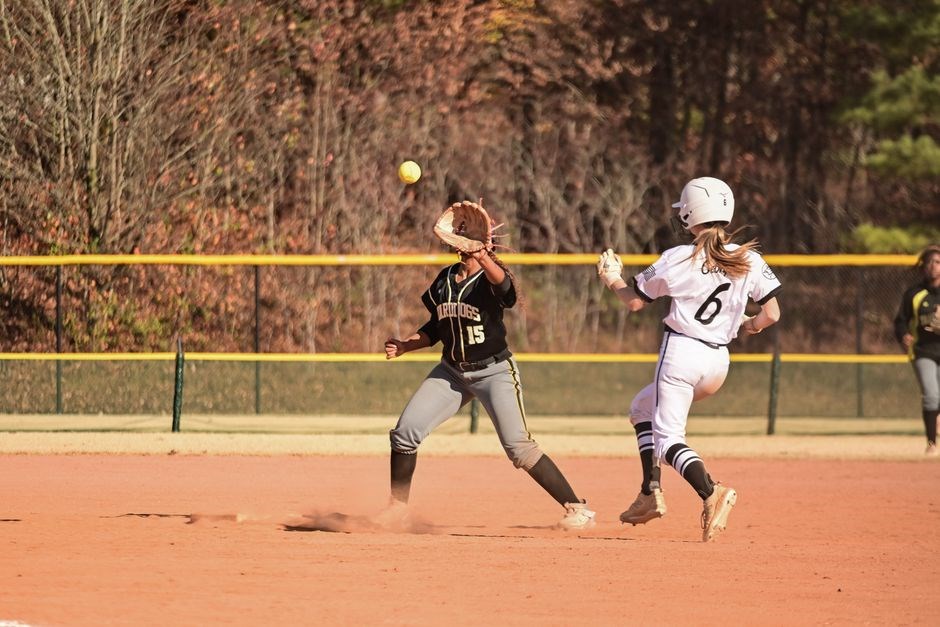
Infield Position Sizes
Choosing glove size starts with measuring the middle knuckle to the wrist and adding 0.5 to 1 inch for a snug fit! Players may prefer a smaller glove for speed‚ while athletes benefit from a larger pattern for protection. Full‑grain leather requires a longer break‑in‚ while synthetic softens faster but may not last as long. With leather oil speeds up the break‑in and keeps glove flexible. Always test the glove in game situations; a glove that feels comfortable in the shop may behave differently under the pressure of a fast pitch or a deep fly ball.
Players in infield positions often face high‑velocity throws and quick reaction times. A glove that is too large can impede finger movement‚ while a glove that is too small may not provide enough cushioning for hard hits. The typical infield glove pattern ranges from 11.5 to 12.0 inches‚ with a 1.5‑inch pad that balances protection and speed. The webbing is narrower to allow a tighter fit‚ reducing the chance of the ball slipping during double‑plays. When selecting a glove‚ consider hand size‚ age‚ and the level of play. Younger athletes may benefit from a slightly smaller glove to enhance agility‚ whereas older players might prefer a larger pattern for added durability. A well‑fitted glove not only improves performance but also reduces the risk of injury‚ making it a critical investment for any serious player. A good glove boosts confidence. Choosing the right glove can improve your confidence and performance on field today now all
Outfield/Pitcher Sizes
Outfielders and pitchers require gloves that combine coverage‚ protection‚ and speed. The typical pattern for these positions ranges from 12.25 to 12.75 inches‚ measured from the tip of the index finger to the heel. A larger pattern offers a wider pocket‚ ensuring the ball stays securely during long throws or high‑velocity pitches. The webbing is broader‚ which helps prevent the ball from slipping during deep fly balls or fast throws. Pitchers benefit from a slightly larger pad—often 2 inches—providing extra cushioning for repeated impact of fastballs and breaking pitches. The extra pad also aids in controlling the ball during pick‑off attempts and quick releases. Many manufacturers offer a “utility” option at 12.25 inches‚ which can be used comfortably in both outfield and pitcher roles‚ especially for younger players or those who prefer a single glove. When selecting a glove‚ consider the material: full‑grain leather offers durability and a natural break‑in‚ while synthetic leather provides a faster break‑in and a lighter feel. Proper fit is crucial; a glove that is too tight will restrict wrist motion‚ while one that is too loose can lead to dropped catches. Test the glove in practice‚ ensuring the fingers can flex fully and the ball stays in the pocket during a simulated pitch or fly ball. A well‑fitted outfield/pitcher glove enhances confidence‚ reduces fatigue‚ and improves overall fielding performance. Choosing the right glove not only enhances performance but also builds confidence‚ ensuring players can focus on teamwork. !!