Sri Lanka Travel Guide Map: A Comprehensive Overview
Planning a Sri Lankan adventure? Explore detailed maps for Colombo, Kandy, and coastal regions, alongside essential features like road networks and national parks․
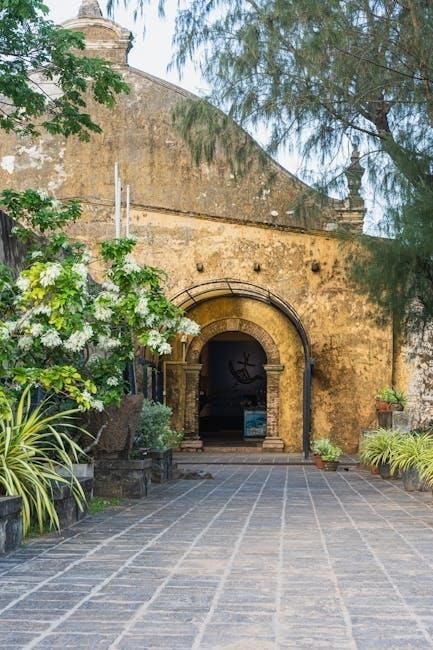
Embarking on a Sri Lankan journey requires thoughtful planning, and a reliable map is your essential first step! This island nation, brimming with diverse landscapes – from pristine beaches to ancient ruins – demands careful consideration of routes and destinations․ Numerous itineraries, ranging from 5 to 14 days, cater to varied interests, focusing on cultural immersion, wildlife encounters, or coastal relaxation․
Kimkim offers a curated collection of Sri Lanka travel maps, designed to inspire and guide your adventure․ Michelin’s road and tourist maps provide detailed coverage, including city insets for Colombo and Kandy, and highlight key attractions and national parks․ Understanding transportation options and distances is crucial, and maps will aid in visualizing your route․
Understanding Sri Lanka’s Geography
Sri Lanka’s geography is remarkably diverse for its size, influencing travel planning significantly․ The island features a central highland region, home to tea plantations and cooler climates, contrasting sharply with the flat coastal plains․ These plains boast stunning beaches and diverse ecosystems․ Understanding this variation is key when interpreting maps and planning routes․
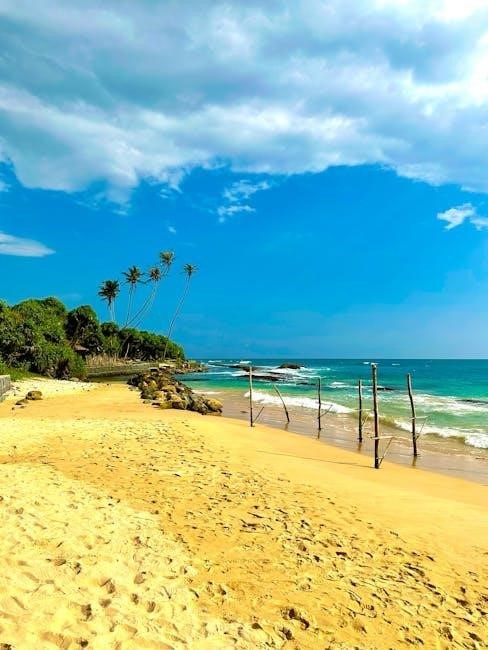
Maps reveal the concentration of tourist sites along the coasts – Galle, Mirissa, and Weligama on the south, and Arugam Bay and Trincomalee on the east․ The central highlands, including Kandy, offer a different experience․ Road networks connect these regions, but mountainous terrain can impact travel times․ Detailed maps, like those from Michelin, illustrate these geographical nuances, aiding efficient travel․
Types of Maps for Sri Lanka Travel
Several map types cater to Sri Lanka travelers․ Traditional road and tourist maps, like those offered by Michelin, provide a comprehensive overview, including place name indexes and city insets for Colombo and Kandy․ These are excellent for overall planning and identifying key sites․
Digital maps, such as Google Maps, offer real-time navigation and detailed information, though offline access is crucial due to potential connectivity issues․ Offline map apps allow pre-downloaded map sections for use without internet․ Specialized maps highlight national parks and wildlife reserves, useful for nature enthusiasts․ Choosing the right map depends on your travel style and reliance on technology․
Detailed Regional Maps
Explore Sri Lanka’s diverse regions with focused maps of Colombo, Kandy’s highlands, the South Coast’s beaches, and the East Coast’s Arugam Bay and Trincomalee․
Map of Colombo & Surrounding Areas
Navigating Colombo requires a detailed map showcasing its bustling urban layout and surrounding attractions․ City insets, like those found in Michelin maps, are invaluable for exploring Colombo’s core․ Key features include the Fort area – the historical center – Pettah’s vibrant markets, and the modern Colombo World Trade Center․

Beyond the city center, the map should illustrate access to Mount Lavinia beach, Dehiwala Zoo, and the Kelaniya Raja Maha Vihara temple․ Road networks are crucial, highlighting major routes like Galle Road and the Outer Circular Road․ Understanding transportation options, from tuk-tuks to buses, is also essential․ A comprehensive map will aid in discovering Colombo’s hidden gems and efficiently planning your urban exploration․
Map of Kandy & the Central Highlands
Exploring Kandy and its highlands demands a map detailing the region’s mountainous terrain and cultural landmarks․ Essential features include Kandy Lake, the Temple of the Tooth Relic (Sri Dalada Maligawa), and the Royal Botanical Gardens in Peradeniya․ The map should clearly indicate access to nearby tea plantations, such as those in Nuwara Eliya, and the scenic routes through lush hillsides․
Road networks are vital, showcasing the winding paths to attractions like Knuckles Mountain Range and Horton Plains National Park․ Detailed insets of Kandy city itself, similar to those in Michelin maps, are incredibly useful․ Understanding elevation changes and travel times is crucial for planning hikes and scenic drives within this captivating region․
Map of the South Coast (Galle, Mirissa, Weligama)
The South Coast map is essential for navigating the popular tourist destinations of Galle, Mirissa, and Weligama․ It should prominently feature Galle Fort, a UNESCO World Heritage site, and clearly mark beaches renowned for whale watching in Mirissa․ Detailed road networks are crucial, illustrating routes between coastal towns and inland attractions․
The map should also indicate surfing spots in Weligama, and access points to nearby national parks․ City insets for Galle, highlighting its historic architecture, are particularly valuable․ Accurate representation of distances and travel times between these locations is vital for efficient trip planning along this beautiful stretch of coastline․
Map of the East Coast (Arugam Bay, Trincomalee)
The East Coast map focuses on Arugam Bay, a surfer’s paradise, and Trincomalee, known for its stunning beaches and historical sites․ It must clearly delineate Arugam Bay’s surf breaks and the coastal road connecting it to other towns․ Trincomalee’s Fort Frederick and Pigeon Island National Park should be prominently marked․
Detailed road networks are vital, showcasing access to inland attractions and neighboring villages․ The map should also indicate distances and estimated travel times, considering the often-rural road conditions․ Inclusion of key landmarks like Koneswaram Temple in Trincomalee enhances its usability for exploring this less-traveled region of Sri Lanka․

Essential Map Features for Tourists

Prioritize maps displaying road networks, national parks, key sites, and detailed city insets like Colombo and Kandy for seamless Sri Lankan exploration․
Road Networks & Transportation
Navigating Sri Lanka relies heavily on understanding its road network․ Maps should clearly illustrate the main highways connecting key cities like Colombo, Kandy, and Galle․ While the road infrastructure is improving, conditions can vary significantly, from well-maintained expressways to narrower, winding rural roads․
Tourists should note that English is widely used for signage, but familiarity with Sinhala or Tamil can be beneficial, especially in more remote areas․ Maps detailing bus routes and train lines are invaluable for budget travelers․ Consider traffic congestion, particularly in Colombo, when estimating travel times․ Detailed maps often indicate the availability of fuel stations and rest stops along major routes, aiding in efficient journey planning․
National Parks & Wildlife Reserves
Sri Lanka’s biodiversity is a major draw, and detailed maps are crucial for exploring its national parks․ Maps should clearly delineate park boundaries, highlighting key areas for wildlife spotting – leopards in Yala, elephants in Udawalawe, and diverse birdlife in Bundala․
Look for maps indicating entrance locations, ranger stations, and permitted trekking routes․ Some maps may also show accommodation options within or near the parks․ Understanding the terrain – forests, grasslands, wetlands – helps anticipate potential wildlife encounters․ Michelin maps specifically include National Parks, aiding pre-trip planning․ Remember to check park regulations and accessibility before your visit, as conditions can change seasonally․
Key Tourist Sites & Historical Landmarks
Sri Lanka’s rich history and cultural heritage are best explored with a map highlighting significant sites․ Detailed maps should pinpoint ancient cities like Anuradhapura and Polonnaruwa, showcasing temple complexes, ruins, and archaeological wonders․
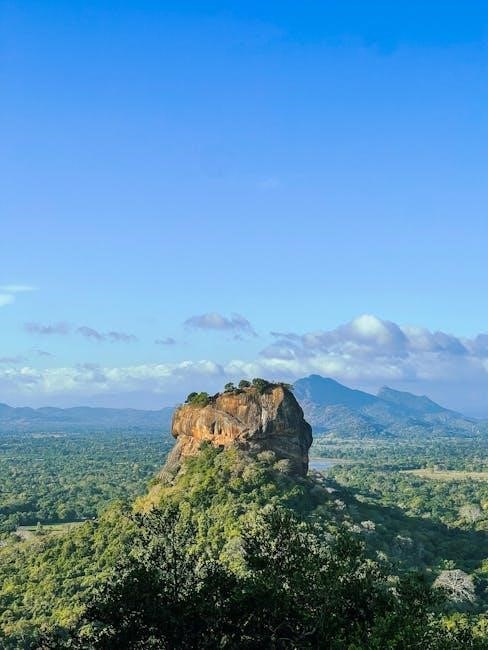
Maps should also feature UNESCO World Heritage sites, such as Sigiriya (Lion Rock) and the historic city of Galle․ City insets, like those found on Michelin maps, are invaluable for navigating urban landmarks in Colombo and Kandy․ Look for maps indicating the location of religious sites – Buddhist temples, Hindu kovils, mosques, and churches – offering a comprehensive overview of Sri Lanka’s diverse cultural landscape․
City Insets & Detailed Urban Maps
Navigating Sri Lankan cities requires detailed urban maps, often included as insets within larger regional maps․ These insets are crucial for exploring Colombo, the bustling capital, and Kandy, the cultural heartland․ Look for maps clearly marking key streets, public transportation hubs (bus and train stations), and points of interest like museums, markets, and hotels․
Detailed maps should also indicate the location of important government buildings, embassies, and hospitals․ Michelin maps specifically highlight these features․ Effective urban maps will also showcase pedestrian zones and areas of significant commercial activity, aiding in efficient exploration and minimizing travel time within these vibrant cities․

Digital Mapping Tools & Resources
Explore Sri Lanka digitally! Utilize Google Maps, offline map apps, and GPS navigation for seamless travel planning and on-the-ground exploration across the island;
Google Maps for Sri Lanka
Google Maps is an invaluable resource for navigating Sri Lanka, offering comprehensive coverage of roads, cities, and points of interest․ While English is widely used, be aware that some local signage and driver preferences lean towards Sinhala or Tamil․
Though full multilingual support isn’t yet available, Google Maps provides detailed street views for many urban areas, aiding pre-trip familiarization; Users can download areas for offline use, crucial for regions with limited connectivity․
Leverage the app’s search function to locate hotels, restaurants, and attractions․ Real-time traffic data assists in planning routes, and the integrated public transportation information, though still developing, is becoming increasingly useful for bus and train travel․ Remember to verify information with local sources when possible․
Offline Map Options & Apps
Reliable internet access isn’t guaranteed throughout Sri Lanka, making offline map options essential․ Several apps allow you to download detailed maps for use without a data connection․ Maps․me is a popular choice, offering free, downloadable maps with points of interest and search functionality․
Other options include OsmAnd, known for its customization and detailed topographic maps, and Guru Maps, which provides offline navigation and search capabilities․ Before your trip, download the Sri Lankan map data within your chosen app․
These apps are particularly useful when exploring national parks or remote areas․ Regularly update your offline maps to ensure accuracy, and consider supplementing with a physical map as a backup for extended adventures․
Using GPS Navigation in Sri Lanka
GPS navigation is generally reliable in major cities and along primary roads in Sri Lanka, but coverage can be spotty in mountainous regions and rural areas․ Google Maps is widely used, offering turn-by-turn directions and real-time traffic updates – when connected․
However, relying solely on digital navigation isn’t advisable․ Download offline maps (see section above) as a backup․ Be aware that road signage can be inconsistent, and local drivers may not always follow standard traffic rules․
Consider a local SIM card for data access, or a portable GPS device․ Always cross-reference GPS directions with a physical map, and exercise caution when driving in unfamiliar areas․ English is used in navigation, but familiarity with Sinhala/Tamil is helpful․
Practical Considerations for Map Usage
Navigating Sri Lanka requires awareness of language variations on signage, understanding distances, and potentially purchasing physical maps locally for reliable travel planning․
Language & Signage on Maps
Understanding the linguistic landscape is crucial for smooth travel․ While English is widely utilized in Sri Lankan navigation and appears on many tourist maps, it’s important to acknowledge the prevalence of Sinhala and Tamil, especially outside major tourist areas․ Road signs often feature all three languages, but consistency varies․
Tourists should familiarize themselves with basic Sinhala or Tamil phrases for asking directions, as relying solely on English may prove challenging in rural locations․ Digital mapping tools like Google Maps are increasingly incorporating multilingual support, but it’s not yet fully comprehensive․ Physical maps will generally prioritize English for tourist accessibility, but awareness of local languages enhances the overall experience and facilitates interaction with locals․
Understanding Distances & Travel Times
Sri Lanka, though relatively small, presents varied travel times․ Distances on maps can be deceptive; road conditions and terrain significantly impact journey durations․ Coastal routes are generally faster than inland paths through the central highlands․ Expect winding roads and slower speeds, particularly in mountainous regions․
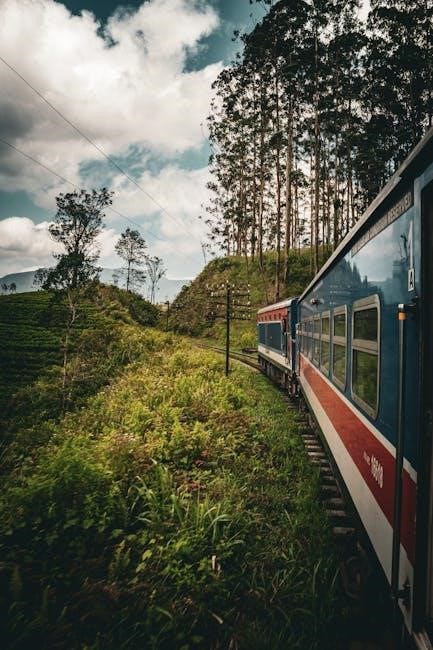
Always factor in extra time for unexpected delays, such as traffic congestion in Colombo or road construction․ A 100km journey might take 3-4 hours, while a similar distance along the coast could be completed in 2-3․ Utilizing a map alongside realistic time estimations is vital for effective itinerary planning and avoiding rushed travel experiences․ Consider train travel for scenic routes, but be mindful of potential delays․
Purchasing Physical Maps in Sri Lanka
While digital maps are prevalent, physical maps remain valuable, especially for backup or areas with limited connectivity․ Major tourist areas and cities like Colombo boast bookstores and souvenir shops selling Michelin road and tourist maps, a reliable option for detailed coverage․
Expect to find these maps at larger bookstores and sometimes at airport shops upon arrival․ Prices vary, but generally range from $10 to $20 USD․ Local map shops are less common, but can be found in larger cities․ Ensure the map is up-to-date, as road networks can change․ A physical map provides a broader overview and can be useful for planning alongside digital tools, offering a tactile and reliable resource․

Sample Itineraries & Map Integration
Discover Sri Lanka with curated itineraries! Explore 5, 7, or 10-day journeys, seamlessly integrating detailed maps for optimal navigation and exploration․
5-Day Sri Lanka Itinerary & Map
Day 1: Arrival in Colombo & City Exploration – Begin your journey in Colombo, utilizing a detailed city inset map to navigate key attractions like Gangaramaya Temple and Pettah Market․
Day 2: Kandy – Cultural Heart of Sri Lanka – Travel to Kandy, referencing a regional map for efficient transport․ Explore the Temple of the Tooth Relic and Peradeniya Botanical Garden․
Day 3: Nuwara Eliya – Tea Country Charm – Journey through lush tea plantations, using the map to pinpoint tea factories and scenic viewpoints․ Enjoy a tea tasting experience․
Day 4: Ella – Hiking & Scenic Beauty – Hike to Little Adam’s Peak and Nine Arch Bridge, utilizing topographical map features to understand the terrain․
Day 5: Return to Colombo & Departure – Return to Colombo, allowing ample time for last-minute souvenir shopping, guided by the Colombo map․
7-Day Sri Lanka Itinerary & Map
Days 1-2: Colombo & Cultural Triangle – Explore Colombo with a detailed city map, then journey to the Cultural Triangle (Anuradhapura & Polonnaruwa), utilizing a regional map for navigation between ancient cities․
Days 3-4: Kandy & Nuwara Eliya – Discover Kandy’s Temple of the Tooth and scenic beauty, then travel to Nuwara Eliya’s tea plantations, referencing maps for optimal routes․
Day 5: Ella – Hiking & Views – Hike to Ella’s iconic viewpoints (Little Adam’s Peak, Nine Arch Bridge), using topographical map features to understand the trails․
Days 6-7: South Coast Relaxation (Mirissa/Galle) – Relax on the South Coast, utilizing a coastal map to explore beaches, Galle Fort, and wildlife spotting opportunities․
10-Day Sri Lanka Itinerary & Map
Days 1-2: Colombo & Negombo – Begin with Colombo exploration using a detailed city inset, then relax in Negombo, referencing coastal maps for beach access and lagoon tours․
Days 3-4: Cultural Triangle (Anuradhapura & Polonnaruwa) – Immerse yourself in ancient history, navigating between sites with a regional map highlighting archaeological wonders․
Days 5-6: Kandy & Peradeniya – Explore Kandy’s cultural heart and the Royal Botanical Gardens, utilizing maps to pinpoint key attractions and scenic routes․
Days 7-8: Ella & Hill Country – Hike Ella’s trails and enjoy hill country views, relying on topographical maps for safe and rewarding adventures․
Days 9-10: South Coast (Galle & Mirissa) – Conclude with beach relaxation and Galle Fort exploration, using a coastal map to discover hidden gems․
Resources for Obtaining Sri Lanka Maps
Find reliable maps through Michelin, Amazon, and various online providers, ensuring detailed road networks, tourist sites, and city insets for easy navigation․
Michelin Road & Tourist Maps
Michelin’s Sri Lanka Road & Tourist Map (803) is a highly recommended resource for travelers․ This map provides a comprehensive overview of the island’s road network, crucial for independent exploration․ It’s particularly valuable for those planning self-drive itineraries or utilizing public transportation․
Beyond roads, the Michelin map meticulously details key tourist attractions, including historical landmarks and the boundaries of National Parks․ Detailed city insets are included for Colombo and Kandy, offering a closer look at urban areas and facilitating navigation within these cities․ A comprehensive index of place names further enhances usability, allowing quick location of specific destinations․
The map’s clarity and durability make it a practical companion for any Sri Lankan journey, offering a reliable alternative or supplement to digital mapping tools․
Online Map Providers & Retailers
Numerous online platforms offer Sri Lanka maps, catering to diverse needs․ Amazon․com is a readily accessible source for physical maps, notably the Michelin Road & Tourist Map series, providing a reliable and detailed cartographic resource․ Kimkim specializes in Sri Lanka travel planning and offers curated itineraries alongside map resources, assisting in visualizing potential routes․
Beyond retail sites, general map providers like Google Maps are invaluable for pre-trip planning and on-the-ground navigation․ However, exploring specialized travel websites and forums can uncover lesser-known map resources and user-generated insights․
Comparing options and reading reviews ensures you select a map that aligns with your travel style and itinerary, whether prioritizing detailed road networks or highlighting key tourist sites․