The “400 Recetas Dieta Mediterránea PDF” embodies a culinary journey, offering a vast collection of recipes rooted in tradition and health.
This digital resource, available for free download, provides a gateway to experiencing the flavors and benefits of this renowned dietary approach.
It’s a comprehensive guide, showcasing dishes like Arroz con Lentejas, Judías Verdes Salteadas, and Boquerones al Limón, alongside numerous others,
promoting a lifestyle centered around fresh ingredients and balanced nutrition, as highlighted on YouTube and various online platforms.
The PDF’s accessibility and diverse recipe categories make it an invaluable tool for anyone seeking to adopt or enhance their Mediterranean eating habits.
What is the Mediterranean Diet?
The Mediterranean Diet, as reflected in resources like the “400 Recetas Dieta Mediterránea PDF”, isn’t a restrictive diet, but a lifestyle centered around traditional eating patterns of countries bordering the Mediterranean Sea.
It emphasizes abundant plant-based foods – fruits, vegetables, whole grains, legumes, and nuts – forming the foundation of each meal.
The PDF showcases this through diverse recipes, demonstrating how to incorporate these elements into daily cooking. Olive oil is a primary fat source, while fish and seafood are consumed regularly, providing healthy fats and protein.
Poultry, eggs, and dairy are enjoyed in moderation, with red meat and sweets limited to infrequent occasions.
This approach, detailed within the downloadable PDF, prioritizes fresh, seasonal ingredients and simple cooking methods, promoting both health and enjoyment. The “400 Recetas” collection serves as a practical guide to understanding and implementing these principles.
Historical Origins and Cultural Significance
The Mediterranean Diet’s roots trace back centuries, evolving from the culinary traditions of diverse cultures surrounding the Mediterranean Sea. The “400 Recetas Dieta Mediterránea PDF” acts as a modern repository of this rich heritage, preserving and sharing time-honored recipes.
Historically, this way of eating wasn’t conceived as a “diet” but as a natural consequence of available resources and agricultural practices. Communities relied on locally sourced, seasonal ingredients, fostering a strong connection between food and culture.
The PDF’s collection, featuring dishes like Boquerones al Limón and Pisto con Huevos, exemplifies this cultural significance. It’s a testament to the communal aspect of food, where meals are shared and enjoyed, reflecting a lifestyle prioritizing well-being and social connection, as promoted through online resources and YouTube content.

Key Components of the Diet
The “400 Recetas Dieta Mediterránea PDF” showcases core elements: abundant fruits, vegetables, whole grains, legumes, and olive oil, alongside fish, poultry, and limited red meat.
Recipes demonstrate a focus on plant-based foods and healthy fats, mirroring the diet’s foundational principles, readily available within the PDF’s extensive collection.
Olive Oil: The Cornerstone
The “400 Recetas Dieta Mediterránea PDF” consistently emphasizes olive oil as the primary fat source, a hallmark of the Mediterranean diet. Recipes frequently feature its generous use, not merely as a cooking medium, but as a flavor enhancer and finishing touch.
This reflects the diet’s understanding of olive oil’s health benefits, particularly its rich content of monounsaturated fats and antioxidants. The PDF’s recipes demonstrate its versatility – from drizzling over salads and vegetables (like Judías Verdes Salteadas) to marinades (such as Boquerones al Limón) and sautéing ingredients.
The abundance of recipes utilizing olive oil underscores its central role, showcasing how it contributes to both the taste and nutritional value of each dish, solidifying its position as the cornerstone of this healthy culinary tradition.
Fruits and Vegetables: Abundance and Variety
The “400 Recetas Dieta Mediterránea PDF” showcases a vibrant spectrum of fruits and vegetables, integral to the diet’s emphasis on fresh, whole foods. Recipes consistently incorporate seasonal produce, reflecting the traditional Mediterranean approach to eating.
Dishes like Pisto con Huevos and Coliflor al Horno, highlighted in online examples, exemplify this abundance; The PDF doesn’t limit itself to common varieties; it encourages exploration of diverse options, promoting a colorful and nutrient-rich diet.
This focus on variety ensures a broad intake of vitamins, minerals, and antioxidants. The recipes demonstrate how fruits and vegetables can be enjoyed in countless ways – raw in salads, cooked in stews, or as accompaniments to protein sources, reinforcing their importance.
Whole Grains: Choosing the Right Carbs
The “400 Recetas Dieta Mediterránea PDF” prioritizes whole grains over refined carbohydrates, aligning with the diet’s focus on sustained energy and fiber intake. Recipes frequently feature grains like couscous, as demonstrated in the PDF’s included recipe, and various types of rice.
The resource emphasizes choosing minimally processed options, promoting nutritional value and digestive health. Arroz con Lentejas, a featured recipe, beautifully illustrates this principle, combining the benefits of both grains and legumes.
While pasta dishes are present, they often incorporate vegetables like calabaza asada (roasted pumpkin), enhancing their nutritional profile. The PDF guides users towards making informed carbohydrate choices, supporting a balanced and wholesome dietary pattern.
Legumes and Nuts: Plant-Based Protein Sources
The “400 Recetas Dieta Mediterránea PDF” champions legumes and nuts as essential plant-based protein sources, integral to the diet’s health benefits. Lentils are prominently featured, notably in the Arroz con Lentejas recipe, showcasing their versatility and nutritional power.
Beans, chickpeas, and other legumes appear frequently, offering fiber, iron, and complex carbohydrates. Nuts, while consumed in moderation, contribute healthy fats and additional protein, enhancing satiety and overall well-being.
The PDF’s recipes demonstrate how to incorporate these ingredients into diverse dishes, moving beyond simple side dishes to create flavorful and satisfying meals. This emphasis on plant-based protein aligns with the Mediterranean diet’s sustainability and health-promoting principles.

Fish and Seafood: Healthy Fats and Protein
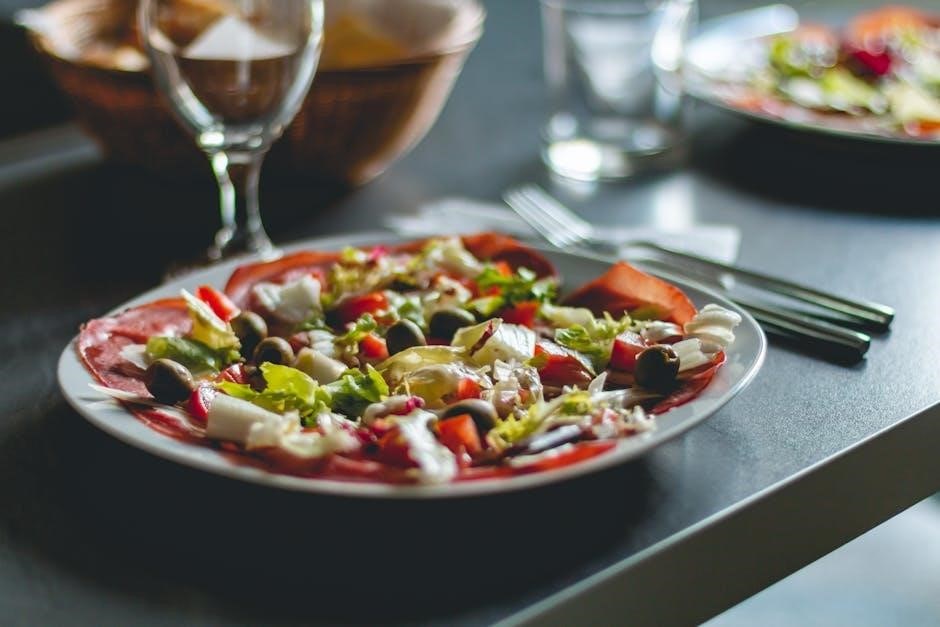
The “400 Recetas Dieta Mediterránea PDF” highlights fish and seafood as cornerstones, providing essential healthy fats – particularly omega-3 fatty acids – and lean protein. A prime example is Boquerones al Limón (Lemon-Marinated Anchovies), a classic showcasing the diet’s emphasis on fresh, flavorful seafood.
Recipes within the PDF likely feature a variety of fish, from sardines and mackerel to tuna and sea bass, prepared in diverse ways – grilled, baked, or simply marinated. These preparations minimize added fats while maximizing nutritional benefits.
The inclusion of seafood reflects the historical reliance on marine resources in Mediterranean cultures, contributing to both culinary tradition and long-term health, as demonstrated through the PDF’s extensive recipe collection.

Poultry, Eggs, and Dairy: Moderate Consumption
The “400 Recetas Dieta Mediterránea PDF” reflects the principle of enjoying poultry, eggs, and dairy in moderation, unlike excessive intake common in some modern diets. While not central, these foods contribute to a balanced nutritional profile when consumed thoughtfully.
Recipes likely incorporate eggs in dishes like Pisto con Huevos (a vegetable and egg scramble), showcasing their versatility. Poultry appears as a flavorful protein source, while dairy – primarily yogurt and cheese – is used to enhance flavors and textures.
The PDF emphasizes quality over quantity, suggesting locally sourced, full-fat dairy products in smaller portions, aligning with the traditional Mediterranean approach to food and promoting overall well-being.
Red Meat & Sweets: Limited Intake
The “400 Recetas Dieta Mediterránea PDF” consistently demonstrates the principle of minimizing red meat and sweets, a cornerstone of the traditional diet. Recipes prioritize plant-based proteins and naturally sweet flavors from fruits, rather than relying on processed sugars or frequent red meat consumption.
While occasional servings of red meat might be included, they are presented as infrequent treats, not dietary staples. Sweets, when featured, likely utilize honey or fruit purees as natural sweeteners, reflecting a focus on wholesome ingredients.
This approach, evident throughout the PDF’s collection, aligns with the health benefits associated with the Mediterranean diet, emphasizing moderation and prioritizing nutrient-dense foods over indulgent options.

Benefits of Following a Mediterranean Diet
The “400 Recetas Dieta Mediterránea PDF” unlocks a path to improved cardiovascular health, weight management, and cognitive function through delicious, balanced recipes.
It’s a resource for a healthier lifestyle!
Cardiovascular Health Improvements
The “400 Recetas Dieta Mediterránea PDF” is a powerful tool for bolstering cardiovascular health, primarily through its emphasis on heart-healthy fats, particularly olive oil, and abundant fruits and vegetables.
Recipes within the PDF, like Boquerones al Limón (lemon-marinated anchovies) and those featuring fish and seafood, provide essential omega-3 fatty acids known to reduce triglycerides and lower blood pressure.
The diet’s focus on whole grains, legumes, and limited red meat intake further contributes to lower cholesterol levels and reduced risk of heart disease. By incorporating these recipes into your routine, you actively promote healthier arteries and a stronger cardiovascular system, aligning with the diet’s globally recognized health benefits.
The PDF offers a practical, accessible way to embrace these heart-protective eating patterns.
Weight Management and Metabolic Health
The “400 Recetas Dieta Mediterránea PDF” supports effective weight management and improved metabolic health through its focus on whole, unprocessed foods and balanced macronutrient ratios.
Recipes like Arroz con Lentejas (rice with lentils) and Judías Verdes Salteadas (sautéed green beans) are rich in fiber, promoting satiety and aiding in portion control. The diet’s emphasis on plant-based proteins, such as legumes and nuts, contributes to stable blood sugar levels.
By limiting refined sugars and processed foods, the PDF’s recipes help improve insulin sensitivity and reduce the risk of type 2 diabetes. This dietary approach fosters a healthier metabolism, facilitating sustainable weight loss and overall metabolic well-being, as demonstrated through its widespread adoption and positive health outcomes.
Cognitive Function and Brain Health
The “400 Recetas Dieta Mediterránea PDF” promotes cognitive function and brain health through its abundance of nutrient-rich foods known to support neurological well-being.
The diet’s cornerstone, olive oil, contains potent antioxidants that protect brain cells from oxidative stress. Recipes featuring fish and seafood, like Boquerones al Limón (lemon-marinated anchovies), provide essential omega-3 fatty acids crucial for brain development and function.
The emphasis on fruits, vegetables, and whole grains delivers vital vitamins and minerals that enhance cognitive performance and reduce the risk of neurodegenerative diseases. By nourishing the brain with optimal nutrients, this dietary approach, readily accessible through the PDF, supports long-term cognitive health and mental clarity.

“400 Recetas Dieta Mediterránea PDF”: A Resource Overview
This PDF is a comprehensive compilation of 400 Mediterranean diet recipes, freely downloadable and easily accessible, offering a diverse range of culinary options.
Content Breakdown: Recipe Categories
The “400 Recetas Dieta Mediterránea PDF” showcases a remarkably diverse range of recipe categories, designed to cater to varied tastes and culinary skill levels. Based on available online examples and descriptions, prominent categories include traditional rice and legume dishes, such as the featured Arroz con Lentejas (Rice with Lentils), and vibrant vegetable preparations like Judías Verdes Salteadas (Sautéed Green Beans).

Seafood plays a significant role, with recipes like Boquerones al Limón (Lemon-Marinated Anchovies) demonstrating the diet’s emphasis on healthy fats and protein. Further categories encompass quick and easy meals, utilizing readily available ingredients, alongside more elaborate preparations. The PDF also includes options for those seeking vegetarian and vegan adaptations of classic Mediterranean dishes, expanding its accessibility.
Additional categories likely feature salads, soups, pasta dishes, and recipes incorporating seasonal fruits, ensuring a year-round culinary experience aligned with the Mediterranean lifestyle.
Accessibility and Format of the PDF
The “400 Recetas Dieta Mediterránea PDF” is designed for broad accessibility, being freely available for download online. This digital format allows users to easily access the collection on various devices – computers, tablets, and smartphones – promoting convenient meal planning and cooking. The PDF structure appears to be organized with clear recipe listings, potentially including introductory sections on the Mediterranean diet’s principles and benefits.
Based on online previews, the recipes are presented in a straightforward manner, likely with ingredient lists and step-by-step instructions. While detailed formatting specifics vary, the PDF aims for user-friendliness, enabling both novice and experienced cooks to navigate the recipes effectively.
The inclusion of a table of contents or searchable function would further enhance usability, allowing quick access to specific dishes or ingredients.
Specific Recipes Highlighted (Based on Online Examples)

The “400 Recetas Dieta Mediterránea PDF” showcases a diverse range of traditional and flavorful dishes. Several recipes are prominently featured in online previews and YouTube demonstrations, offering a glimpse into the collection’s culinary breadth. Arroz con Lentejas (Rice with Lentils) is presented as a hearty and nutritious staple, while Judías Verdes Salteadas (Sautéed Green Beans) exemplifies the diet’s emphasis on fresh vegetables.
Boquerones al Limón (Lemon-Marinated Anchovies) provides a taste of Mediterranean seafood, and other highlighted recipes include Pisto con Huevos, Cous-Cous, Espinacas con Langostinos (Spinach with Shrimp), and Pasta con Calabaza Asada (Pasta with Roasted Pumpkin).
These examples demonstrate the PDF’s commitment to showcasing the variety and simplicity of Mediterranean cuisine.
Arroz con Lentejas (Rice with Lentils)
“Arroz con Lentejas,” featured within the “400 Recetas Dieta Mediterránea PDF,” represents a cornerstone of simple, nourishing Mediterranean cooking. This dish beautifully embodies the diet’s focus on plant-based proteins and wholesome grains. The recipe typically combines rice – often brown rice for added fiber – with lentils, creating a complete protein source.
Online examples suggest a preparation involving sautéed vegetables like onions, garlic, and peppers, forming a flavorful base. Spices such as paprika and cumin are commonly used to enhance the taste. This recipe is highlighted in the PDF’s introductory sections on YouTube, demonstrating its accessibility and nutritional value.
It’s a budget-friendly and satisfying meal, perfectly aligned with the Mediterranean lifestyle.
Judías Verdes Salteadas (Sautéed Green Beans)
“Judías Verdes Salteadas,” or Sautéed Green Beans, is a vibrant and straightforward recipe found within the “400 Recetas Dieta Mediterránea PDF.” This dish exemplifies the Mediterranean diet’s emphasis on abundant, fresh vegetables prepared simply to retain their nutritional value. The preparation typically involves quickly sautéing green beans with olive oil – the cornerstone of the diet – and garlic.
Online demonstrations, including those showcased on YouTube alongside the PDF, often highlight the addition of a squeeze of lemon juice for brightness and a sprinkle of sea salt. This recipe is presented as an easy side dish, perfect for complementing fish or poultry.
Its simplicity and focus on fresh ingredients make it a staple in Mediterranean cuisine.
Boquerones al Limón (Lemon-Marinated Anchovies)
“Boquerones al Limón,” or Lemon-Marinated Anchovies, is a classic Spanish tapa featured prominently within the “400 Recetas Dieta Mediterránea PDF.” This recipe showcases the Mediterranean diet’s utilization of seafood and fresh, acidic flavors. The preparation involves marinating white anchovies in a mixture of olive oil, lemon juice, garlic, and parsley.
As demonstrated in online recipe walkthroughs, including those available on YouTube alongside the PDF, the marination process tenderizes the anchovies and infuses them with a bright, refreshing taste. This dish is often served as an appetizer, highlighting the diet’s emphasis on enjoying flavorful, smaller portions.
It’s a testament to the simplicity and elegance of Mediterranean cooking.

Adapting Recipes for Modern Lifestyles
The “400 Recetas Dieta Mediterránea PDF” facilitates easy adaptation, offering quick meal options and vegetarian/vegan alternatives for busy schedules and dietary preferences.
Quick and Easy Mediterranean Meals
The “400 Recetas Dieta Mediterránea PDF” excels in providing streamlined recipes perfect for today’s fast-paced life. Many dishes, showcased in accompanying YouTube videos, prioritize minimal prep time and cooking duration without sacrificing authentic Mediterranean flavors.
Examples include simplified versions of Boquerones al Limón requiring minimal marination, or quick Pisto con Huevos preparations. The PDF’s structure allows users to easily identify recipes categorized by preparation time, enabling efficient meal planning.
Furthermore, the focus on fresh, readily available ingredients minimizes complex sourcing. These adaptations demonstrate that embracing the Mediterranean diet doesn’t necessitate hours in the kitchen, making healthy eating accessible to everyone, even with limited time.
The resource emphasizes simplicity, proving that delicious and nutritious meals can be achieved quickly and effortlessly.
Vegetarian and Vegan Adaptations
The “400 Recetas Dieta Mediterránea PDF”, while traditionally featuring fish and poultry, readily lends itself to plant-based modifications. Many recipes, like Judías Verdes Salteadas and Espinacas con Langostinos, are easily adapted by omitting seafood and enhancing vegetable components.
Legumes, a cornerstone of the Mediterranean diet, provide excellent protein substitutes, featured prominently in dishes like Arroz con Lentejas. Vegan adaptations often involve substituting dairy with plant-based alternatives and ensuring olive oil remains central to flavor profiles.
The PDF’s extensive collection allows for creative substitutions, promoting a flexible approach to dietary needs. Online resources and YouTube demonstrations further illustrate how to transform classic recipes into vibrant, meatless, and dairy-free options, expanding the diet’s inclusivity.
This adaptability makes the Mediterranean lifestyle accessible to a wider range of individuals.